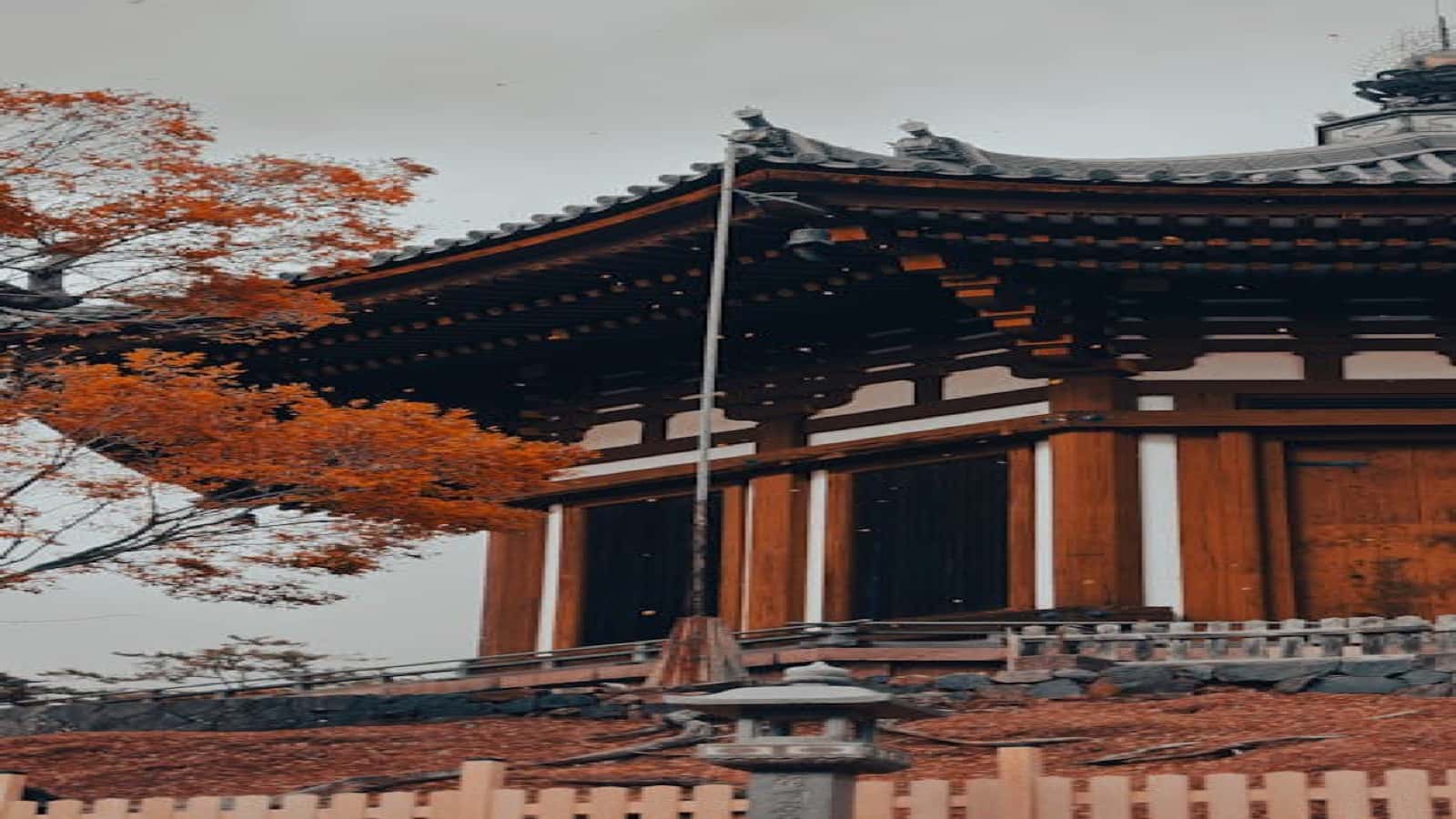
Cherry blossom season is the most photographed week in Japanese tourism — and it is also the most expensive, the most crowded, and the most weather-dependent week of the year. The trees bloom for roughly 7-10 days, the timing varies by latitude, and if you book six months out you are betting on weather you can't predict. Meanwhile, a window six weeks later delivers nearly the full Japan experience at a fraction of the crowd density and meaningful flight savings. This is the tradeoff Japan Tourism Agency data and the r/JapanTravel community have been quietly converging on for years.
How we evaluated
This piece pulls from three public sources. Japan National Tourism Organization (JNTO) monthly visitor statistics, which are published in detail every month and identify exactly when inbound traffic peaks. Google Flights historical pricing data for the major US-to-Japan routes (Tokyo Narita, Tokyo Haneda, Osaka Kansai), showing month-over-month fare variation. And r/JapanTravel community consensus threads — where the same handful of months come up over and over in response to the same question. No first-hand stays, no insider sources, just the existing public record.
The verdict
Late May to early June earns a Worth-It Score of 9.0 as the value window most first-time travelers miss. It sits after the post-Golden Week crowd surge clears (Golden Week runs roughly May 3-6 each year and pulls domestic Japanese tourists into nearly every major destination), after cherry-blossom international tourism ends, and before the rainy season fully establishes itself in mid-to-late June. Crowd density at major sites drops meaningfully, flight pricing softens, weather is mild, and the full breadth of the Japan experience — temples, food, urban density, transit, regional travel — is available without the sea of selfie sticks.
The evidence
What JNTO data actually shows
Japan National Tourism Organization monthly visitor statistics consistently identify April (cherry blossom peak) and November (fall foliage peak) as the two highest international-traffic months of the year. March and October are next, capturing the leading edges of those windows. May and early November are well below those peaks. The rainy season months of June and early July are lower still. The pattern is stable across years (excluding the pandemic-era anomalies, which JNTO data also reflects clearly).
This means that if you visit in late May or early November, you are visiting during measurably lower international tourist density than April or peak-November visitors experience — at the same major sites, in the same weather window range, with the same transit network and food scene fully available.
The pricing data
Historical pricing data from Google Flights for US-to-Tokyo routes consistently shows late-May flights averaging 20-30% cheaper than late-March and April flights on the same origin-destination pairs. The mechanism is straightforward: cherry blossom demand inflates April pricing, and that demand collapses fast once the bloom ends. The same pattern shows up in inbound flight pricing for early November versus late November — a smaller but real gap. Independent analysis of Google Flights' price-trend data for major Japan routes confirms the late-May window as a recurring soft point in the annual fare curve.
The community consensus on the value window
r/JapanTravel community consensus threads have settled on a clear pattern. The phrases "go in late May" and "early November is underrated" appear repeatedly in response to first-time-visitor questions, year after year. The reasoning is consistent across these threads: cherry blossoms are unpredictable in timing and crowded in location, foliage is similarly weather-dependent, and the windows just outside those peaks deliver nearly the full visual and cultural experience without the crowd cost. Multiple long-form trip reports specifically cite May 18-31 as a personal sweet-spot window.
The early-November alternative
For travelers who want fall colors but want to avoid the late-November foliage peak, early November (roughly November 1-12) sits in a similar value pocket. JNTO data shows international visitor counts ramping into November but not yet at peak; foliage is starting in northern Honshu and Hokkaido but hasn't yet hit the famous Kyoto and Tokyo viewing spots. Pricing softens compared to mid-and-late November.
The rainy season trade-off
The June-to-mid-July rainy season pushes prices lower still, and JNTO data shows it is genuinely the lowest-crowd window of the year. But the weather trade-off is real — high humidity, frequent rain, and reduced outdoor experience quality. Community consensus on r/JapanTravel is split: budget-first travelers and indoor-experience travelers (museums, food, urban exploration) recommend it; outdoor-first and photography-first travelers consistently advise against it.
What you give up
Visiting in late May means missing cherry blossoms entirely. There is no clever workaround — by mid-May the trees are fully leafed out and the famous photographs are simply not available. Travelers whose primary purpose is hanami should book April with eyes open about the cost and crowd trade-off. Late May is the right answer for travelers whose primary purpose is Japan, not specifically Japan in bloom.
Who it's best for
For: First-time Japan visitors
The breadth of Japan — Tokyo's density, Kyoto's temples, the bullet train, the food, the regional differences — is fully available in late May, with crowd density well below April. For a first visit where the goal is to experience Japan rather than chase one specific bloom, this is the right window.
For: Value-conscious travelers avoiding peak crowds
The combination of 20-30% lower flight pricing, lower hotel pricing, and meaningfully lower crowd density at major sites compounds the value. The same itinerary in late May costs less and feels less rushed than in early April.
For: Photographers and outdoor travelers
Late May weather is mild, dry, and stable across most of Honshu — much better for photography and hiking than the rainy season that follows. The light is also softer than the harsh midsummer light that arrives in late July.
What it doesn't beat
Late May does not beat actual cherry blossom season for cherry blossoms. It does not beat actual fall foliage peak for the deepest red maple photography. And it does not beat the early-spring window for ski travelers chasing late-season snow in Hokkaido or the northern Alps. The strategy is "best value window for the full Japan experience" — not "best window for any specific scene." If you have a single specific must-have, plan around that. If you want Japan, plan around late May.
Verdict
The Verdict
Late May Travel Window for Japan
Best For
First-time Japan visitors prioritizing experience-to-crowd ratio over a specific seasonal scene
Beats
April and peak-November on flight pricing, crowd density, and itinerary pace
Doesn't Beat
Cherry blossom season for cherry blossoms, or late-November for peak foliage photography
Based on 3 data sources · Last verified April 15, 2026
Sources
- Japan National Tourism Organization monthly visitor statistics (expert-analysis) — official inbound traffic counts by month
- Google Flights historical pricing for US-to-Japan routes (pricing-data) — month-over-month fare variation on Tokyo and Osaka routes
- r/JapanTravel community consensus threads (community-consensus) — recurring late-May and early-November recommendations