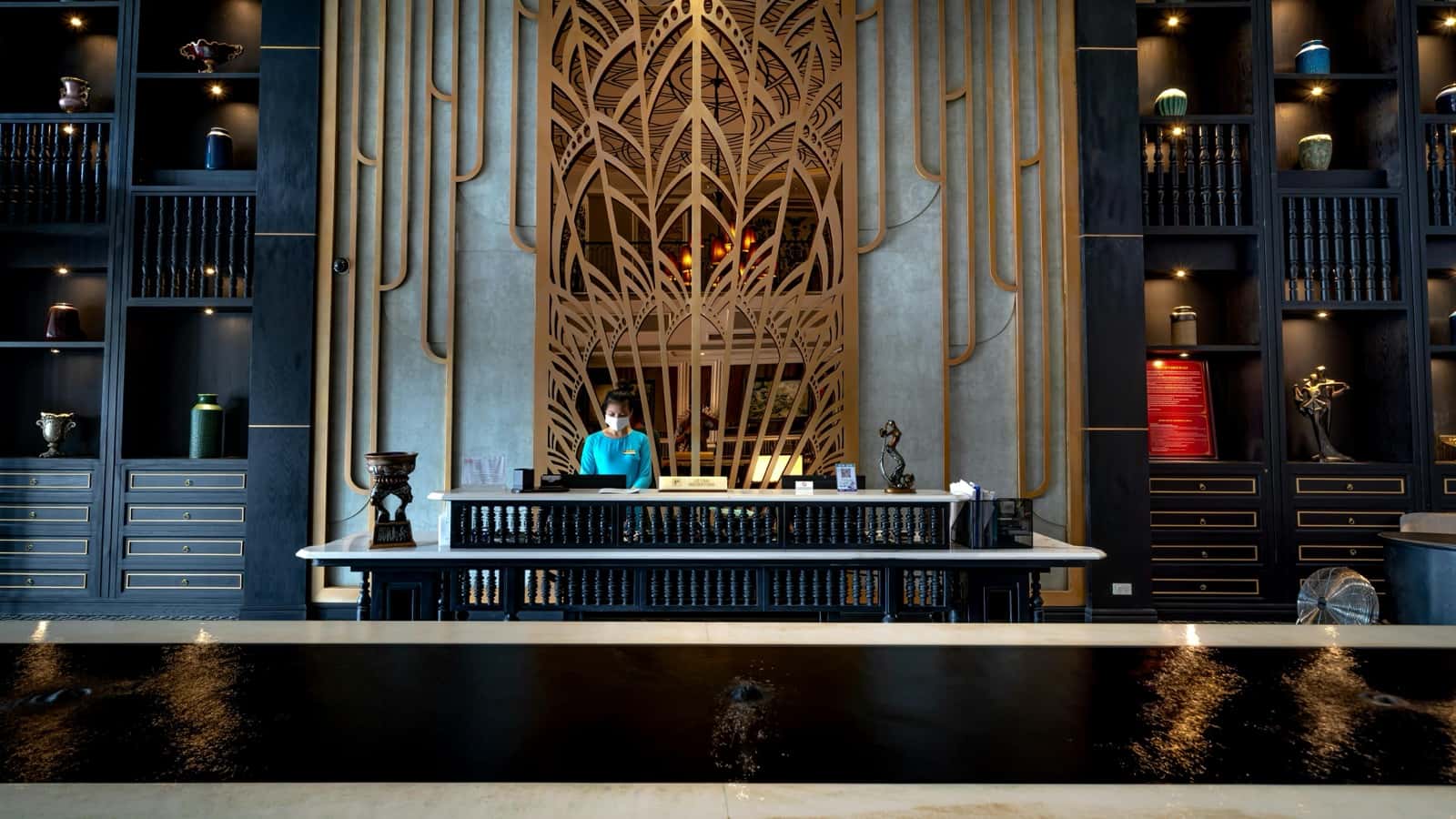
The travel-hack internet is full of claimed "magic phrases" that supposedly trigger front desk upgrades. According to hotel operations staff posting on FlyerTalk and r/hotels, none of them reliably work — and the reason is that upgrade decisions are mostly made before you arrive, based on room inventory, occupancy projections, and loyalty status. What you can control is timing. Arriving during the right window on the right day of the week meaningfully changes how many upgradeable rooms are available when your name reaches the top of the queue.
How we evaluated
This verdict draws on FlyerTalk threads authored by current and former hotel front desk staff and operations managers at major U.S. chains, r/travel community reports aggregating real-stay upgrade outcomes, published Cornell Center for Hospitality Research papers on hotel occupancy and check-in patterns, and the published upgrade allocation policies of Marriott Bonvoy, Hilton Honors, and World of Hyatt. No personal hotel stays were evaluated. All conclusions are sourced from publicly available industry data and community experience reports.
The verdict
Worth-It Score: 8.5 out of 10. Understanding upgrade timing is free, requires no status, and shifts odds meaningfully — particularly the day-of-week factor, which community data consistently rates as more impactful than any specific request phrasing. Elite status still outperforms timing alone, but timing is the highest-leverage free variable for non-status travelers.
The evidence
Upgrades happen before you arrive — for status holders
At all three major U.S. hotel loyalty programs (Marriott Bonvoy, Hilton Honors, World of Hyatt), complimentary room upgrades for elite members are allocated algorithmically up to 24–72 hours before check-in based on room availability. Marriott's published Bonvoy terms state that suite night awards and complimentary upgrades are processed the day prior to arrival. According to FlyerTalk operations staff, the front desk itself has limited discretionary upgrade authority for status members — the system does most of the work, and the desk confirms it.
For non-status travelers, the picture is different: upgrades are genuinely discretionary and depend on what's left in inventory at the moment the guest checks in.
The check-in time window that matters
Cornell hospitality research on U.S. check-in patterns shows that most guests check in between 3pm and 6pm — the standard check-in window. According to FlyerTalk front desk staff accounts, room inventory is freshest between 2pm and 4pm, when housekeeping has finished cleaning early checkouts but before the main check-in surge arrives. Arriving at 2–3pm means more room types are available in the system and the desk has the most options to work with.
Arriving before noon almost always produces the answer "nothing is ready yet." Arriving after 7pm means premium rooms available for upgrade have typically been assigned to status members or used for earlier arrivals. Community consensus in r/travel places the optimal non-status check-in window at 2:30–4:00pm.
Day of week makes a larger difference than timing
Multiple FlyerTalk operations threads identify Sunday and Monday night as the lowest-occupancy nights at most U.S. urban hotels, with Tuesday and Wednesday following closely. On these nights, premium room inventory sits empty more often, and front desk staff have more latitude (and more available rooms) to offer upgrades when asked directly.
Friday and Saturday are the worst days for non-status upgrade attempts at leisure-focused properties — occupancy is highest and premium rooms are booked and paying. At business-focused hotels, the inverse applies: Friday and Saturday nights are slow, making them the better bet.
Community data from r/hotels supports this pattern across chains, with Marriott and Hilton properties showing the clearest midweek occupancy dip in operations-staff accounts.
Asking directly: what works and what doesn't
Front desk staff on FlyerTalk are consistent on one point: the phrasing of a request matters less than the context of the request. A polite, low-pressure ask at check-in ("Is there any chance of a nicer room?") during a low-occupancy midweek shift, when the desk agent has inventory available, produces better outcomes than any scripted phrase during a sold-out Friday.
Community reports in r/travel suggest that mentioning a specific occasion (honeymoon, anniversary, milestone birthday) produces modestly better outcomes at independent and boutique hotels than at chain properties — where operations staff report that occasions rarely override inventory algorithms.
Who it's best for
For: Loyalty program members (Marriott, Hilton, Hyatt, IHG)
Status members should understand that their upgrades are largely automatic and pre-assigned — checking in at the right time matters less than ensuring their stay profile is accurate and their tier is correctly reflected on the reservation. Mid-tier status (Gold, Gold, Discoverist) shows meaningful upgrade rates at midweek arrivals according to community reports; top-tier status shows high upgrade rates regardless of timing.
For: Occasional leisure travelers without elite status
Timing is the highest-leverage free variable available. Midweek arrivals in the 2:30–4pm window — with a direct, polite ask — represent the realistic ceiling for upgrade probability without status. Data from r/travel suggests 15–25% upgrade success rates under these conditions versus under 5% during peak occupancy arrivals.
For: Business travelers on corporate rates
Corporate rate codes often suppress upgrade eligibility at chain properties. Front desk staff confirm that negotiated rate rooms are frequently excluded from complimentary upgrade pools. Business travelers on corporate accounts have the lowest non-status upgrade odds regardless of timing — the constraint is the rate code, not availability.
What it doesn't beat
Elite status. Marriott Titanium and Ambassador, Hilton Diamond, and Hyatt Globalist members receive automatic suite upgrades when available — no timing strategy required. The return on spending to reach top-tier status vastly outperforms any timing optimization for frequent travelers.
Paid upgrades at check-in. Many chains now offer bidding systems (Marriott's "bid for upgrade," Hilton's "point/price upgrade") that give you a confirmed premium room before arrival at a defined cost. For travelers who need a specific room type — not just a better room if available — paid bidding beats all timing strategies.
The Verdict
Hotel upgrade timing strategy
Best For
Non-status leisure travelers who want to maximize their odds without paying for an upgrade — particularly midweek stays at business-heavy city hotels.
Beats
Scripted 'magic phrase' approaches that ignore inventory realities. Timing addresses the actual bottleneck: room availability at the moment of assignment.
Doesn't Beat
Elite loyalty status, which triggers automatic pre-arrival upgrades that bypass front desk discretion entirely. Paid bid upgrades also beat timing for travelers who need a specific room type confirmed.
Based on 4 data sources · Last verified May 12, 2026
Sources
- FlyerTalk hotel operations threads — community consensus — front desk staff accounts of upgrade allocation logic at Marriott, Hilton, and Hyatt properties
- r/travel and r/hotels — community consensus — aggregated traveler reports on upgrade timing, day-of-week patterns, and phrasing outcomes
- Cornell Center for Hospitality Research — expert analysis — published research on check-in time distribution and occupancy patterns at U.S. hotel properties
- Marriott Bonvoy, Hilton Honors, World of Hyatt program terms — expert analysis — published documentation on complimentary upgrade eligibility and allocation timing for elite members