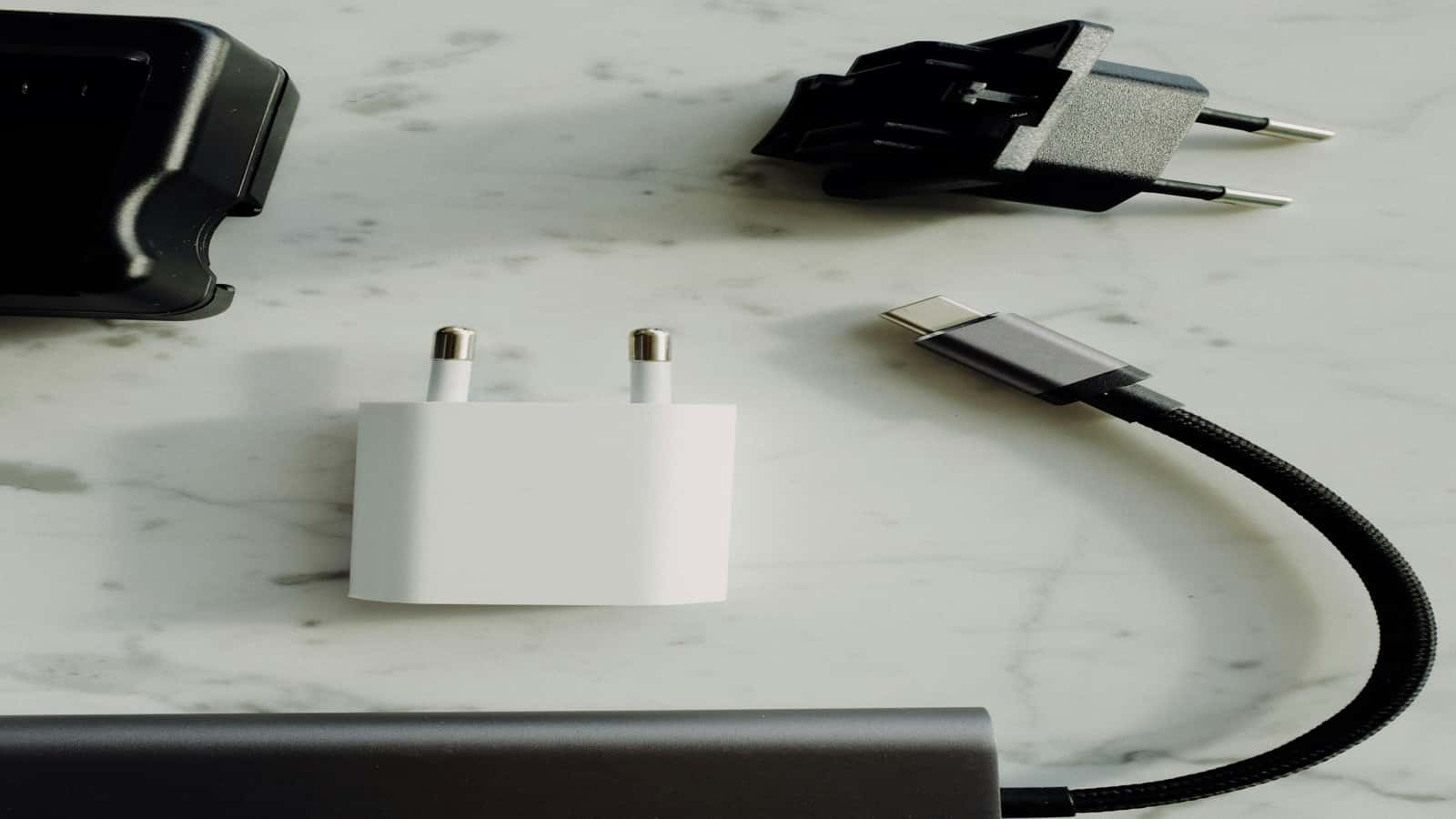
The travel accessory industry has built a substantial market around a problem that, for most travelers and most devices, does not exist. Countries use different outlet shapes — that part is real. But the premise that you need a voltage converter to safely use your electronics abroad is, for almost every device produced in the last 15 years, false. The fix for a different outlet shape is a plug adapter, which costs $8–15. The fix for a voltage difference is a converter, which costs $30–80 and weighs half a pound. For most travelers, the converter is unnecessary weight and wasted money.
How we evaluated
This verdict draws on published IEC international electrical standards by country, technical specifications from major consumer device manufacturers (Apple, Samsung, Anker) as printed on the devices themselves, community guidance from r/solotravel and r/travel, and independent Wirecutter testing of travel adapter options. No personal electrical testing was conducted. All conclusions are verifiable from the specifications printed on your own devices.
The verdict
Worth-It Score: 9.0 out of 10. A $10 plug adapter handles the travel electrical need for the overwhelming majority of travelers and devices. The score isn't 10 because there are legitimate exceptions — older hair dryers, certain flat irons, some medical devices — that do require voltage attention. Knowing the difference before you buy takes 10 seconds and can save you $60.
The evidence
The two problems are different things
International travel creates two distinct electrical challenges that are commonly conflated:
Plug shape: Outlet shapes vary by country — the U.S. uses Type A/B (two flat pins), Europe uses Type C/E/F (two round pins), the UK uses Type G (three rectangular pins), Australia/New Zealand use Type I (two diagonal flat pins), and so on. A plug adapter changes only the physical shape so your device can connect to a foreign outlet. It does not change voltage or frequency. These cost $8–15 and weigh almost nothing.
Voltage and frequency: The U.S. operates at 120V/60Hz. Most of the world operates at 220–240V/50Hz. In theory, plugging a 120V-only device into a 240V outlet can damage or destroy it. In practice, almost every consumer electronic charger and power supply produced since 2010 is rated for 100–240V and 50–60Hz — meaning it handles both systems automatically with no conversion needed.
How to verify your devices in 10 seconds
The voltage rating is printed on every charger and power supply. Look for: INPUT: 100–240V ~ 50/60Hz. This means the device is dual-voltage and needs only a plug adapter for international use.
If it says INPUT: 120V ~ 60Hz only, the device is single-voltage and requires a converter in 220–240V countries.
Per community reports in r/solotravel, the vast majority of travelers find that every device they're bringing — phone chargers, laptop adapters, USB-C power bricks, camera battery chargers, travel hair dryers sold in the last decade — is already rated 100–240V. The community's standing advice is to check your chargers before purchasing anything.
What almost always requires only a plug adapter
- All modern smartphone chargers (Apple, Samsung, Google, OnePlus, etc.)
- USB-C laptop chargers (Apple MacBook, Dell XPS, Lenovo ThinkPad)
- USB-A and USB-C power bricks and multi-port chargers
- Camera battery chargers (Canon, Nikon, Sony, Fujifilm — all current models)
- Electric toothbrushes (most modern models)
- CPAP machines and BiPAP machines (most 2015+ models are 100–240V — verify on your unit)
What may require a converter
- Older hair dryers rated 1875W or higher bought in the U.S. before 2010 — frequently 120V only
- Certain professional flat irons and curling irons
- Some older kitchen appliances (coffee grinders, blenders)
- Certain specialized medical devices — always verify with the manufacturer
The Wirecutter notes that most travel-specific hair tools (marketed as "travel dryers") are genuinely dual-voltage and handle the problem without a converter. A $25 travel hair dryer eliminates the entire converter question for most travelers.
The "universal adapter with converter" product category
The $30–100 "universal travel adapter with voltage conversion" products sold at airports and travel retailers typically include a built-in transformer rated at 50–200W. The rated power is insufficient for high-draw devices (a 1875W hair dryer would need 1875W of converter capacity, not 50W) and unnecessary for low-draw modern electronics that are already dual-voltage. These products often perform neither function well and are heavier than a dedicated plug adapter.
Community consensus on r/travel and r/solotravel rates them consistently poorly: they add weight, provide inadequate conversion for the devices that actually need it, and are unnecessary for the devices that don't.
Who it's best for
For: First-time international travelers
The 10-second charger label check eliminates the entire "what do I need?" anxiety before purchase. Check every charger you're bringing, confirm 100–240V on each one, buy a $10 plug adapter for your destination's outlet type, and you're done.
For: Travelers visiting countries with Type C, G, or I outlets (Europe, UK, Australia)
These are the most common destinations where U.S. travelers encounter outlet shape differences. A Type C adapter (for Europe) and a Type G adapter (for the UK) together cost less than $20 and cover most of Western Europe and the British Isles. Australia/NZ requires a Type I adapter. All are widely available online and at international airports.
For: Travelers packing hair tools or specialized medical devices
This is the one group that needs to check carefully. If your hair dryer or flat iron is labeled 120V only, either pack a converter rated for its wattage (typically 2000W+) or buy a travel-specific dual-voltage version of the tool for roughly $20–35. Medical device users should contact the manufacturer for their specific equipment's requirements.
What it doesn't beat
Having the right outlets in the first place. Many newer international hotels in major cities now include universal outlets in rooms (accepting both Type A and Type C plugs) or built-in USB-A/USB-C charging ports on the nightstand. At upscale and business hotels, a plug adapter may not even be needed for phone and laptop charging.
An international power strip with a built-in Type A plug can also extend a single outlet to charge multiple devices simultaneously — useful when sharing a room with limited outlet access — but still requires checking that each device connected is dual-voltage.
The Verdict
Travel plug adapter (not converter)
Best For
Any traveler visiting countries with different outlet shapes — which is almost everyone traveling internationally from the U.S. The plug adapter is almost always all that's needed.
Beats
Buying an overbuilt 'universal adapter with voltage conversion' for $40–100 when a $10 plug adapter handles 95% of real travel needs. Knowing the difference saves money and weight.
Doesn't Beat
Dual-voltage versions of tools you already own. If you have a 120V-only hair dryer, a travel-specific dual-voltage version is the cleanest solution rather than a heavy external converter.
Based on 4 data sources · Last verified May 12, 2026
Sources
- IEC international electrical standards — expert analysis — published standards for outlet types, voltage, and frequency by country
- r/solotravel and r/travel — community consensus — adapter and voltage guidance threads, device-specific experiences, and what-to-buy recommendations
- Consumer device charger specifications — independent review — published technical specifications confirming dual-voltage operation on major phone, laptop, and USB charger products
- Wirecutter — independent test — travel adapter testing and recommendations by device type and trip profile